
Been watching promotional products trends shift for 25 years. What worked in 2015? Mostly rubbish now. Things change fast. Consumer values shift. Technology evolves. What felt current last year can look dated already.
Here's what's actually working in 2026 and where we see things heading. No fluff - just patterns we're seeing across hundreds of Aussie businesses.
The Shift Toward Practical Value
Biggest trend? Not a specific product. It's a mindset change. Businesses are ditching novelty items for stuff people actually use. Recipients have gotten pickier about what they keep versus what goes straight in the bin.
Why practical wins: people use it. A quality drink bottle gets filled daily. Reliable power bank? Lives in their bag. These items generate heaps more impressions than that stress ball collecting dust in a drawer somewhere.
Simple question to ask: will they actually use this? If you're not sure, reconsider. The best promo products solve real problems or make daily life a bit better. That's what gets kept.
Eco-Friendly Products Continue to Rise
Sustainability's gone mainstream. No longer niche. Aussie businesses are requesting eco options as default now, and suppliers have stepped up. No more quality compromises required.
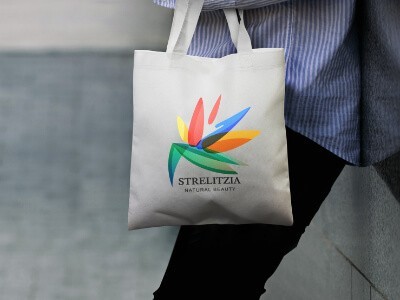
What's popular: Recycled materials for bags, bottles, apparel (recycled plastics and fabrics work a treat). Bamboo and natural materials in pens, drinkware lids, desk accessories. Organic cotton for t-shirts and totes. Biodegradable options for packaging. Reusables everywhere.
Quality parity now. Used to be you sacrificed quality for sustainability. Not anymore. Many sustainable options perform identically to conventional ones.
One caution though. Not all "eco" claims are legit. Some products are genuinely sustainable. Others are greenwashing rubbish. Ask about materials and certifications before buying the marketing. Check our environmental products range for verified options.
Tech Accessories in Demand
Everything's digital now. Tech accessories have become essentials, not novelties. Recipients actually want these.
What's working: Power banks (everyone's phone dies). Wireless chargers for desks. USB-C cables and adapters (connectivity is finally standardising - mostly). Webcam covers for the privacy-conscious. Phone stands for video calls. Bluetooth trackers because people lose things.
Bang for buck? Tech wins. Daily utility means consistent impressions. Perceived value usually exceeds actual cost - recipients feel genuinely appreciated, not just marketed to.
Watch out for obsolescence though. Specific connectors date quickly. Universal options like power banks stay relevant longer than items tied to particular device generations. Nobody wants a drawer full of micro-USB cables anymore.
Work-From-Home Products
Hybrid work changed everything. Home office items suddenly relevant. Millions of Aussies now split time between office and home - different products work for each setting.
What suits remote workers: Items visible on video calls (your logo on screen, constantly). Desk organisers for home workspaces. Coffee mugs get heaps more use now. Comfortable apparel that's presentable-enough for virtual meetings. Ergonomic stuff like quality mouse pads and laptop stands.
Think about it - products used at home reach people in personal spaces. Intimate setting. Part of their daily routine. That branded mug's on screen during every Zoom call. Personal and persistent.
Premium Over Volume
Noticeable shift happening. Fewer, better items. Less volume, more quality. Meaningful change in how businesses approach this.
Why quality wins: Premium item gets used, reflects well on your brand. Cheap item falls apart, does the opposite. People remember quality long after they've forgotten where the broken rubbish came from. That association sticks.
Premium doesn't mean expensive. Just well-made. Quality pen that writes smoothly costs a bit more than garbage that skips. Difference in brand perception? Massive. Incremental cost? Minimal.
Maths example: 1,000 budget pens versus 500 quality ones. Quality items actually get used. Budget ones don't. More impressions from fewer items. We see this constantly.
Drinkware Remains Strong
Bottles and mugs. Still killing it. "Traditional" doesn't mean outdated - fundamentals haven't changed. People still drink. Multiple times daily.
Usage frequency equals consistent impressions. Days, weeks, months, years. Quality drinkware lasts ages. Your investment keeps delivering.
What's evolved: insulated is now expected. Double-wall standard. Single-wall options feel dated. Recipients expect temperature maintenance. The products have improved to match.
Explore our coffee mugs and drinkware range for current options.
Bags with Purpose
Bags still highly effective. But specific styles have shifted with lifestyle changes.
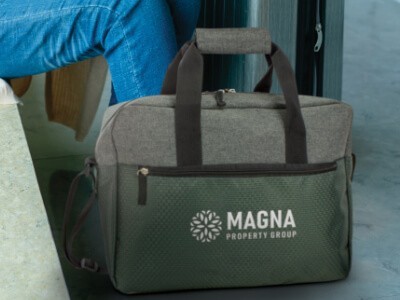
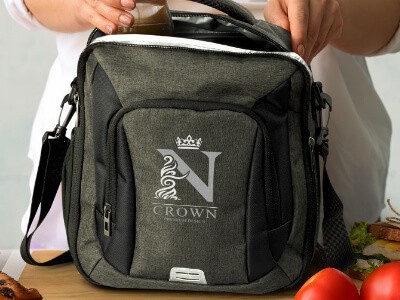
What's trending: Laptop backpacks for hybrid workers (dedicated tech storage). Cooler bags for outdoor activities and sustainable food transport. Crossbody bags for younger demographics wanting hands-free casual. Totes still going strong for shopping and everyday carry.
Functionality matters more now. Padded laptop sleeves, water bottle pockets, organisation compartments - these features make the difference. Recipients notice. They choose better-designed bags. Basic designs get left behind.
Apparel Beyond T-Shirts
Branded apparel's expanded. Basic t-shirts and polos aren't the only game anymore. Expectations have evolved.
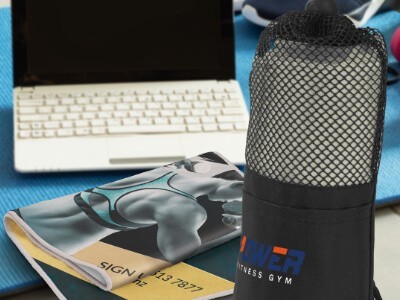
What's trending: Athleisure - comfortable sporty stuff that works for office and weekend. Sustainable fabrics (organic cotton, recycled materials). Quality hoodies for cooler weather (people love hoodies). Performance wear with technical fabrics for active types.
Quality expectations have lifted. Budget t-shirts that lose shape after one wash? Reflects terribly on your brand. Quality apparel gets worn repeatedly. That's where the real value sits.
See our apparel options for current styles.
Wellness Products Gaining Ground
Health awareness created demand here. Products that support wellbeing - people actually want these now.
What works: Hand sanitiser bottles (still relevant post-pandemic). Quality stress relief items and fidget tools. Sleep accessories like eye masks and travel pillows. Fitness gear - resistance bands, yoga straps. Mental health stuff like journals and gratitude diaries (sounds fluffy, works brilliantly).
Wellness products suit health-conscious demographics. Also signals you care about recipients as people, not just marketing targets. That matters to folks.
Personalisation and Customisation
Beyond slapping a logo on things. Growing interest in deeper personalisation. Makes items feel special rather than mass-produced.
Personalisation trends: Individual names alongside company branding. Custom colour combinations matching exact brand colours. Packaging that feels considered, not generic. Limited editions for specific events or milestones.
Why it works: feels like a genuine gift, not a giveaway. Perceived value jumps. People feel individually acknowledged. They're more likely to actually use it. Big difference.
What's Declining
Not everything ages well. Some categories are fading as tech and expectations change.
On the way out: USB drives (cloud storage killed them). CD holders (does anyone even own CDs anymore?). Basic stress balls - oversaturated, undervalued, drawer fodder. Low-quality novelty items generally - recipients expect better now.
Pattern's clear: no practical purpose, or tied to dead technology? Loses effectiveness. What persists? Genuine utility that fits into daily life. That simple.
Making Trend-Aware Choices
Understanding trends helps. But don't chase every shiny new thing either.
Balance novelty with proven. New items create interest, make your brand feel current. Proven categories deliver reliable results. Mix both. Don't go all-in on trends or ignore them entirely.
Know your audience. Trends hit different for different people. Tech-savvy recipients want different stuff than traditional industries. What works for a software startup probably doesn't suit a construction firm. We know the drill.
Test before committing. Smaller orders first. Verify products work for your specific audience before scaling up. Saves expensive stuff-ups.
Working with Us
Staying current with trends - that's our job. Twenty-five years of watching this industry evolve. We introduce new items regularly and track what's actually working (not just what suppliers are pushing).
Tell us about your audience and goals. We'll recommend products that balance trend-awareness with proven effectiveness. Not all trendy products are good products. We filter the rubbish so you don't have to.
Ready to find promotional products that actually resonate? Call us on 1300 85 50 35 or contact us online. We'll sort you out.
Frequently Asked Questions
What promotional products are trending right now?
Eco-friendly items, tech accessories like power banks, premium insulated drinkware. The overall shift is toward quality and practicality. Novelty items are less popular than they used to be.
Are eco-friendly promotional products more expensive?
Not really anymore. In categories like bags and drinkware, sustainable options are priced competitively. Sometimes slightly more, but the gap has narrowed a lot.
What promotional products work for remote workers?
Mugs visible on video calls, desk accessories, quality apparel for virtual meetings. Think about what sits in someone's home office and gets seen every day.
Should I go with trendy or classic promotional products?
Bit of both usually works. Drinkware and bags are proven performers. Mix in something current if it suits your audience. Test new items with smaller orders first.
What's the minimum order?
Our minimum order value is $500 per invoice. Call 1300 85 50 35 and we'll tell you what that gets you for whichever products you're looking at.
Related Articles
- The Best Business Promotional Products for Australian Companies
- The Ultimate Guide to Corporate Promotional Products in Australia
- Promotional Products Sydney | Branded Items for Businesses
- Promotional Products Melbourne | Branded Items for Victorian Businesses
- Best Promotional Merchandise Gift Ideas