What is the difference between a zip compendium and a portfolio folio
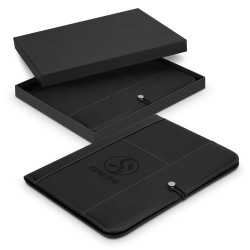
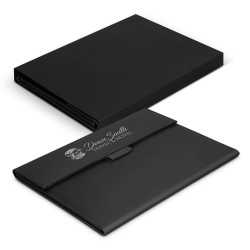
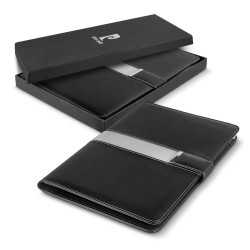
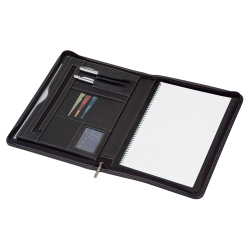
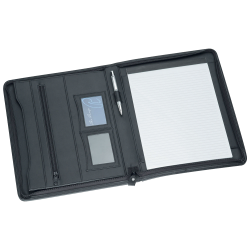
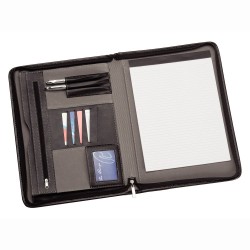
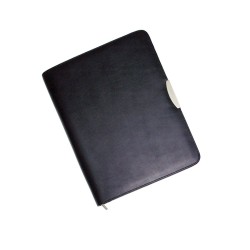
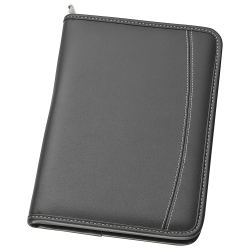
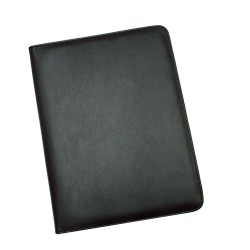
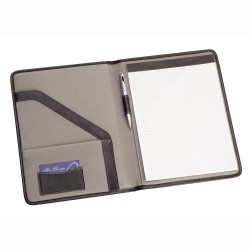
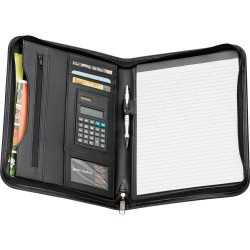
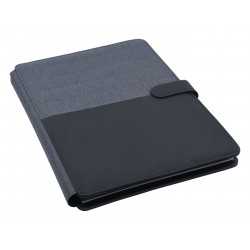
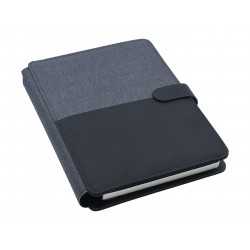
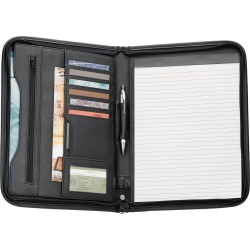
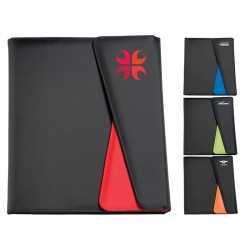
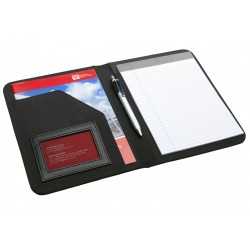
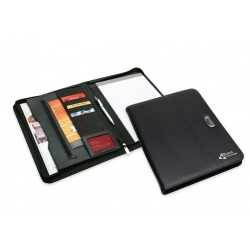
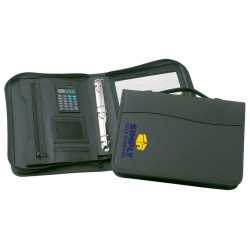
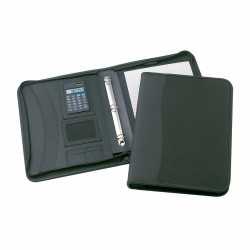
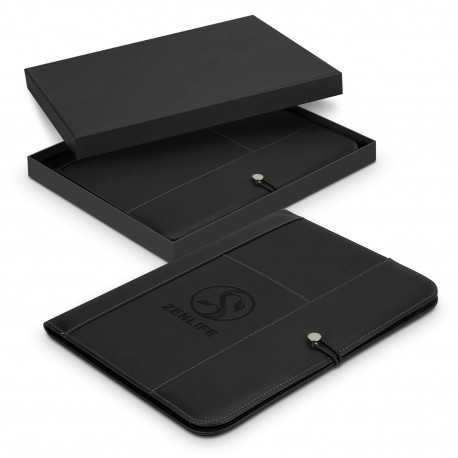
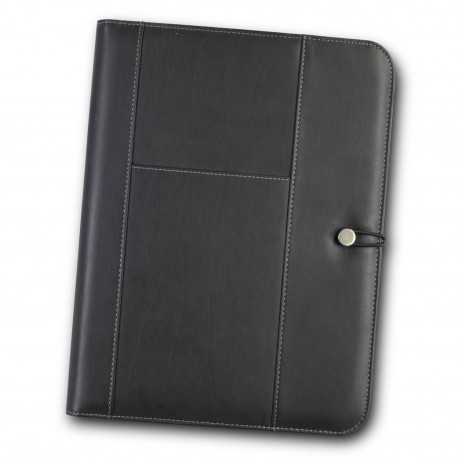
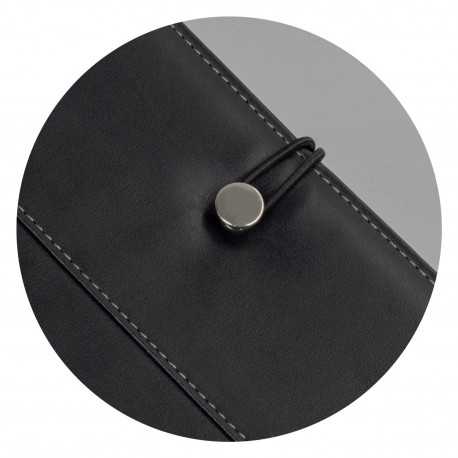
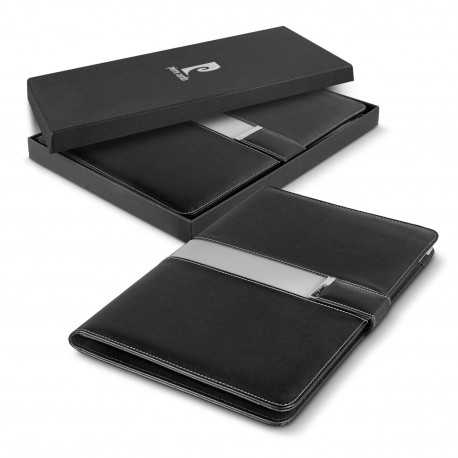
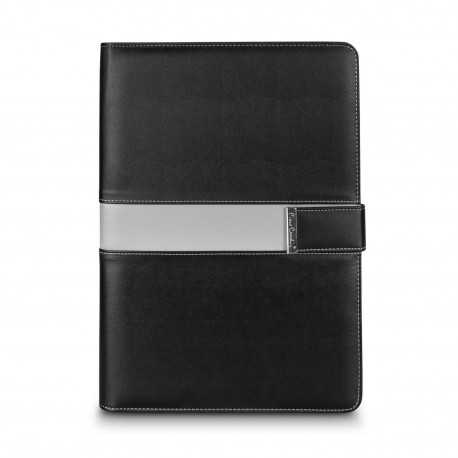
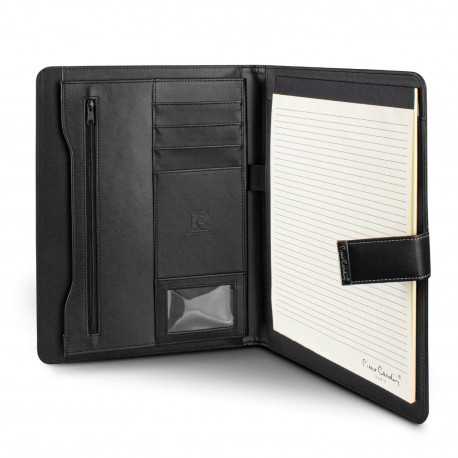
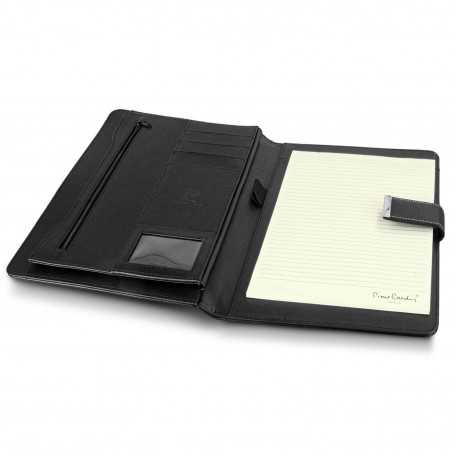
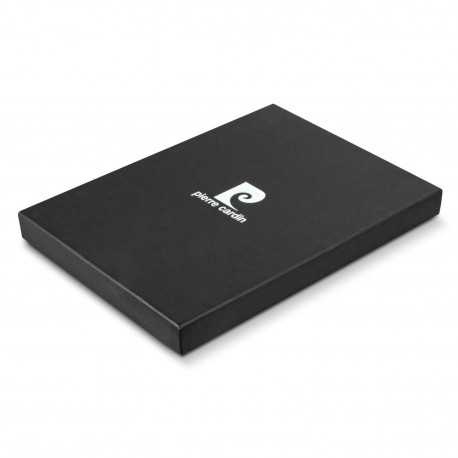
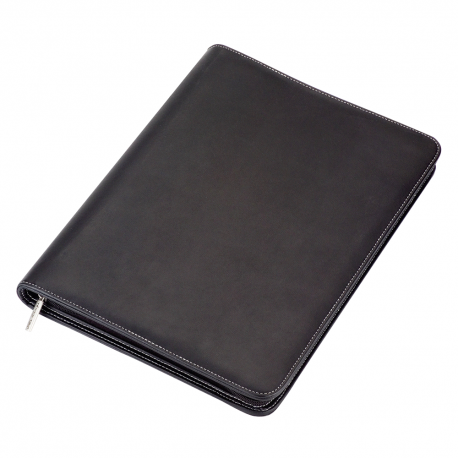
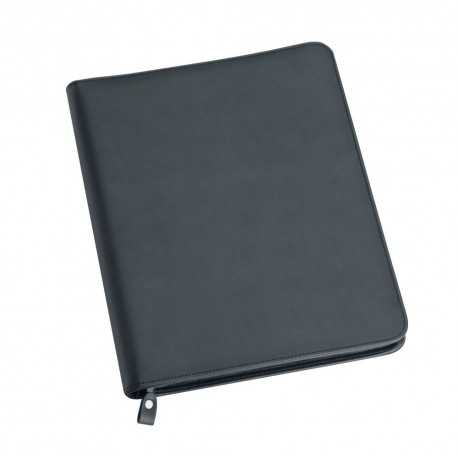
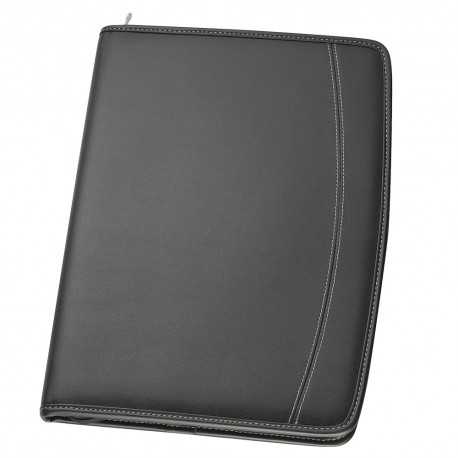
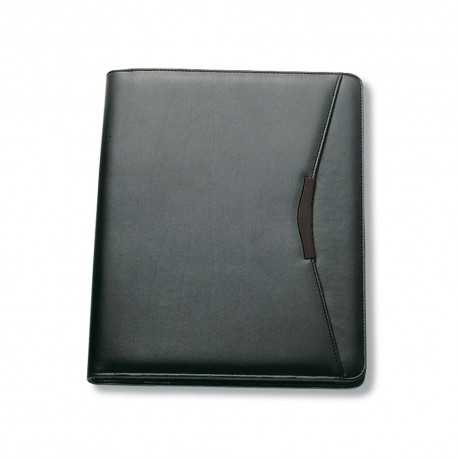
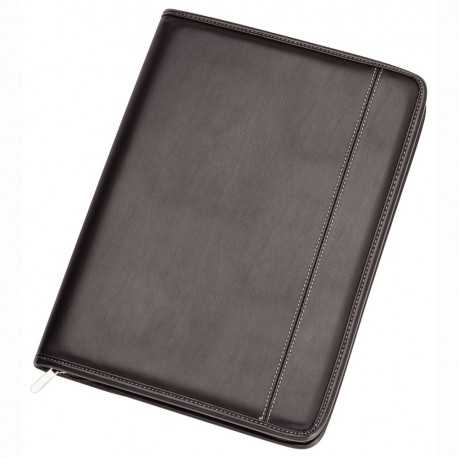
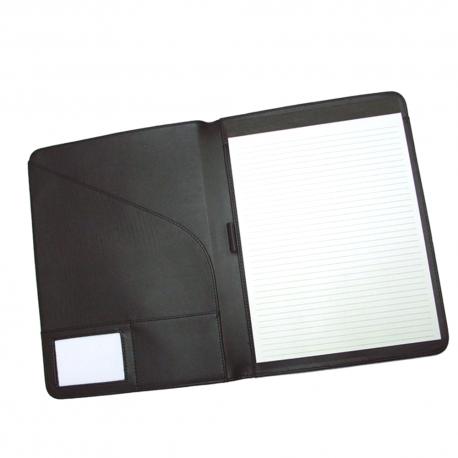
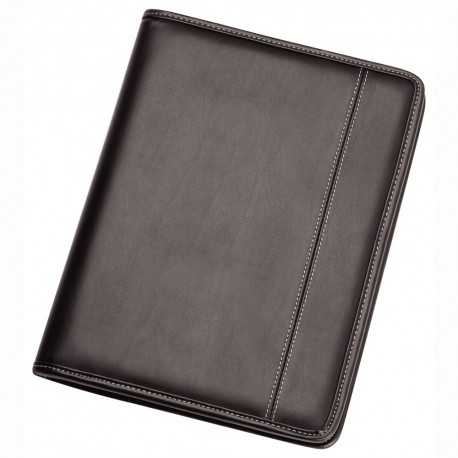
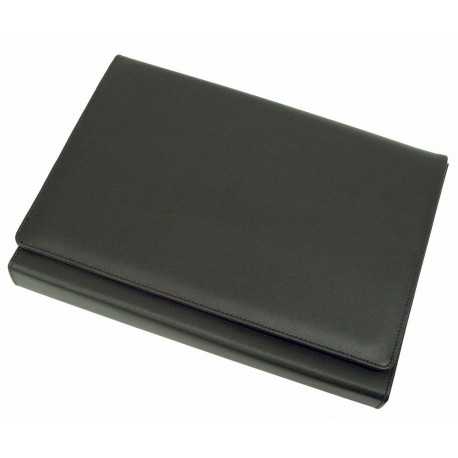
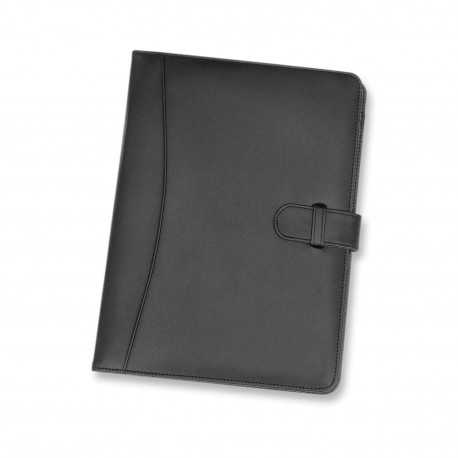
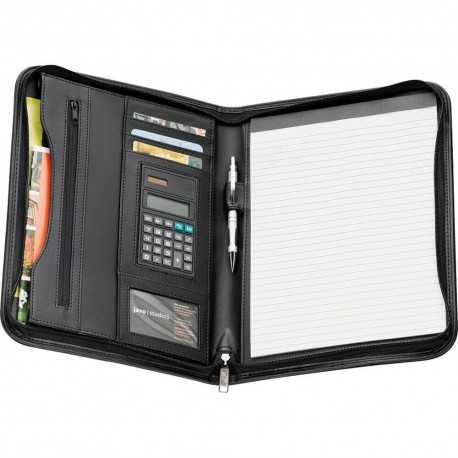
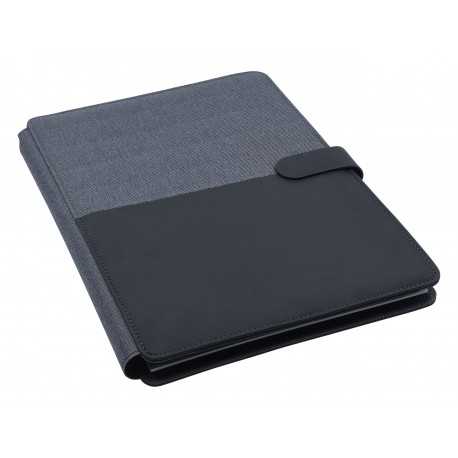
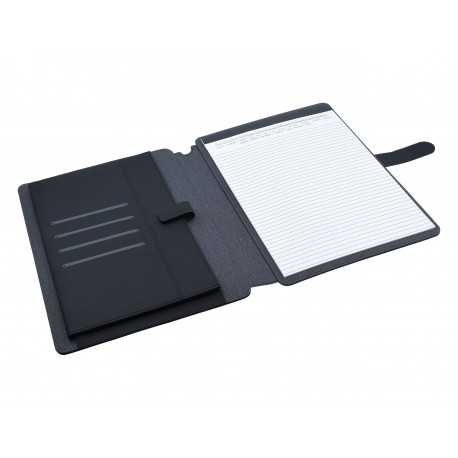
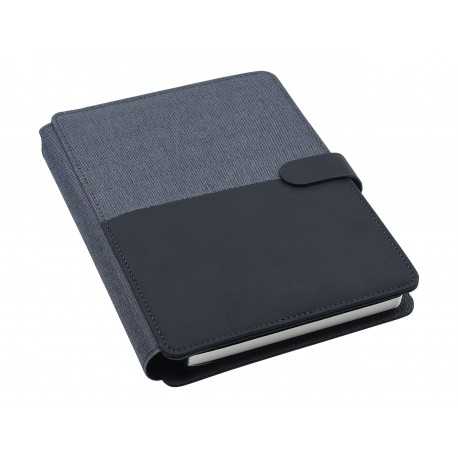
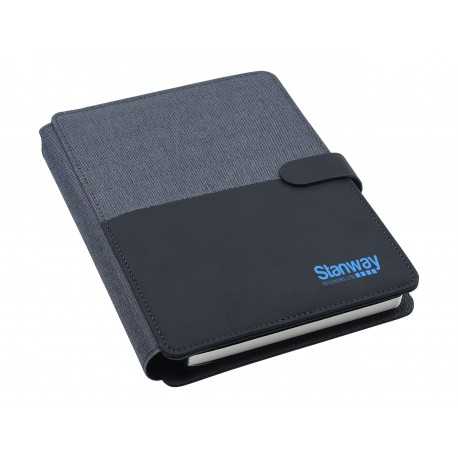
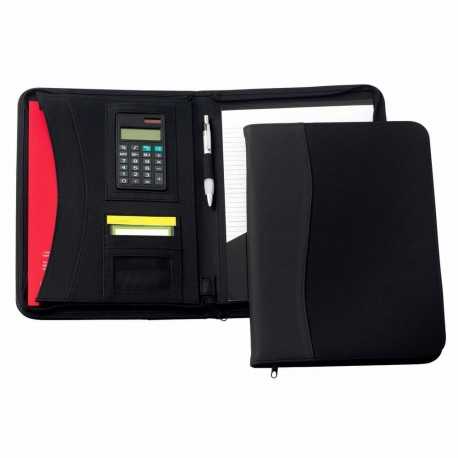
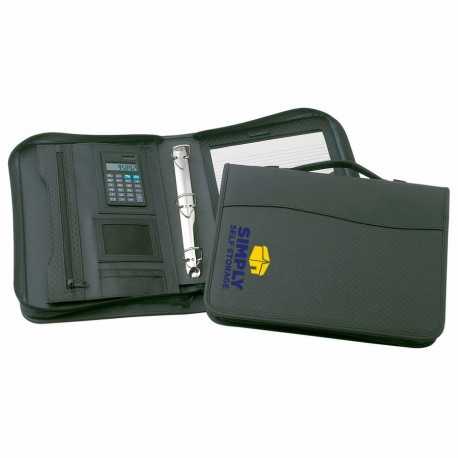
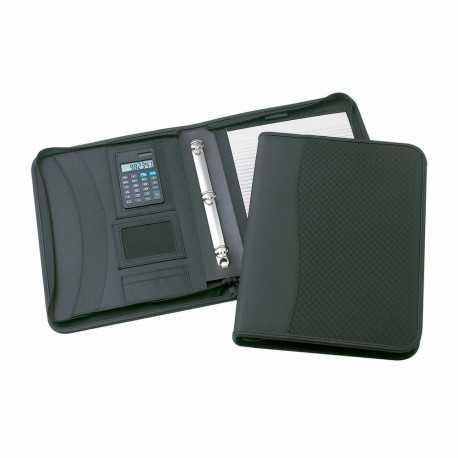
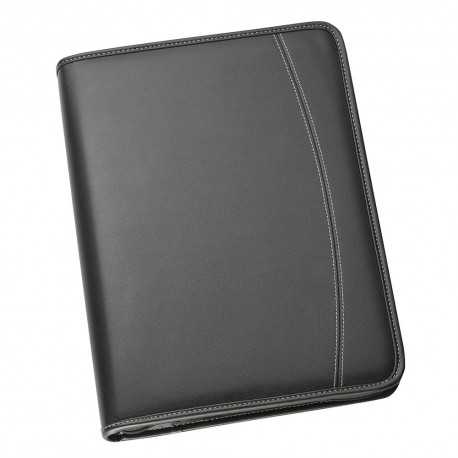
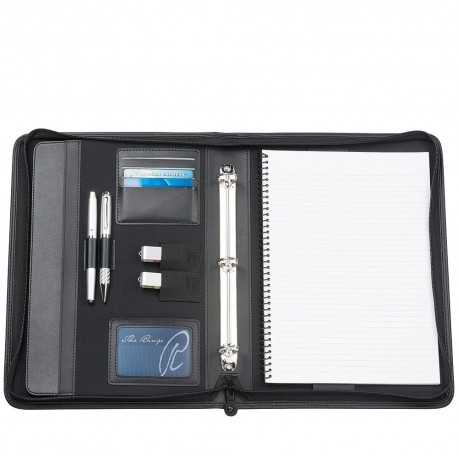
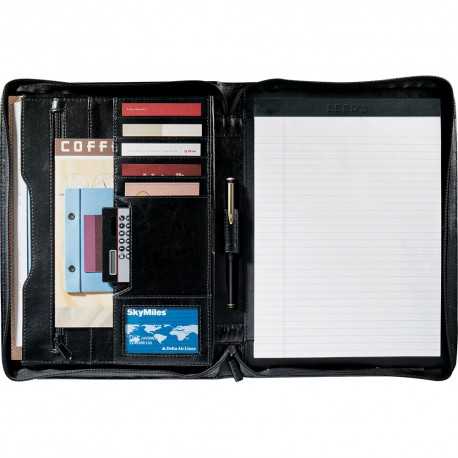
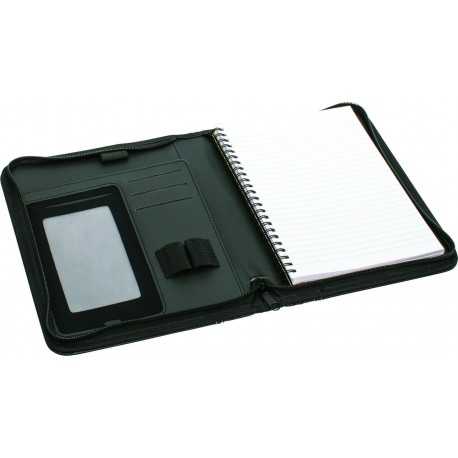
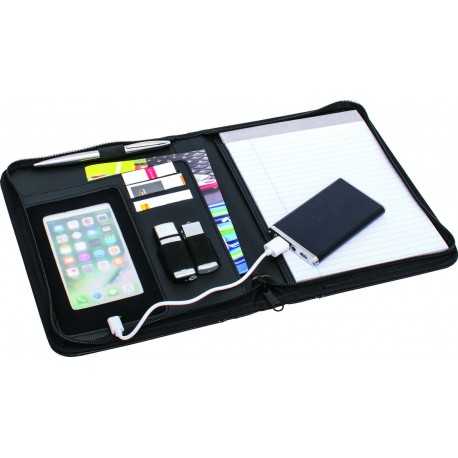
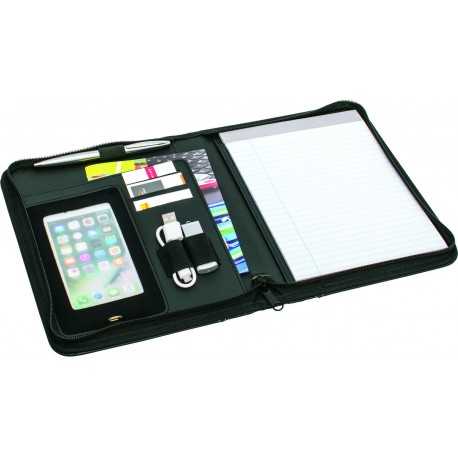
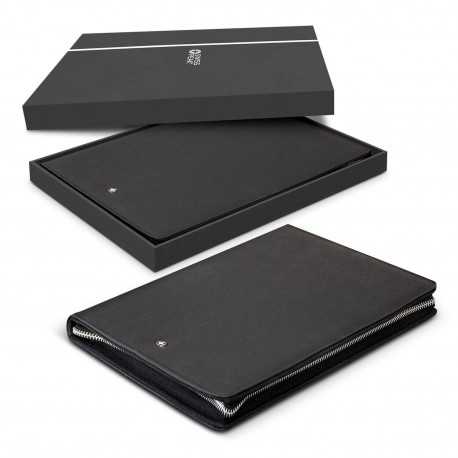
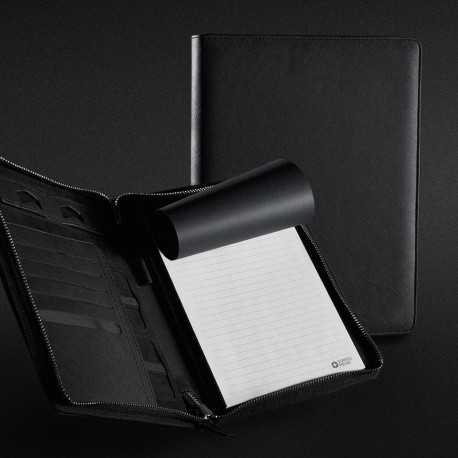
A zip compendium and a portfolio folio are both professional document carriers, but they differ in closure style and internal layout. Zip compendiums use a full perimeter zip to secure contents, making them better suited to commuters or anyone carrying documents between locations. Portfolio folios typically use a magnetic snap or fold-over closure, which feels more refined but offers less document security. Zip styles like the Manchester A4 or Metropolitan are popular with conference attendees and HR teams. Portfolios like the Pierre Cardin Valence work well for client-facing gifting.
What is the difference between a koskin compendium and a PU compendium
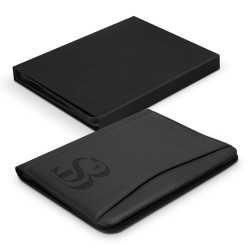
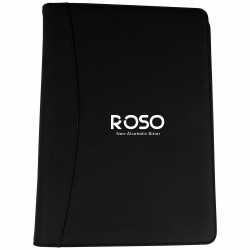
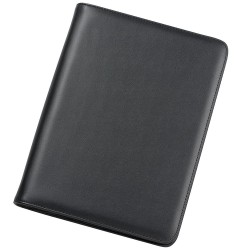
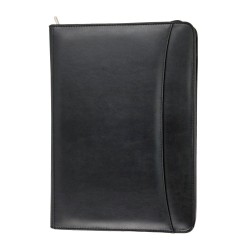
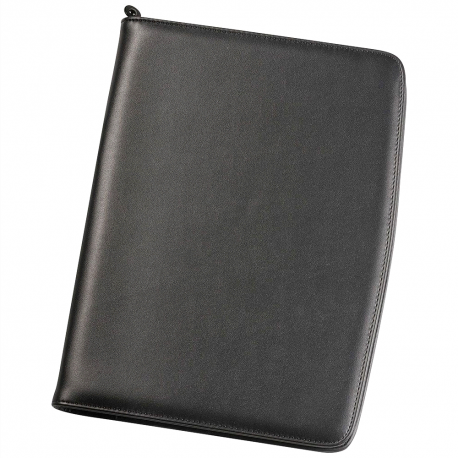
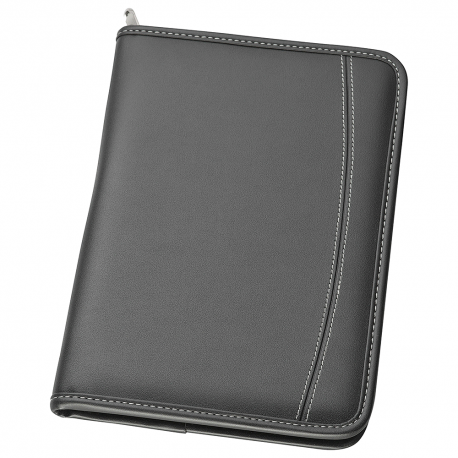
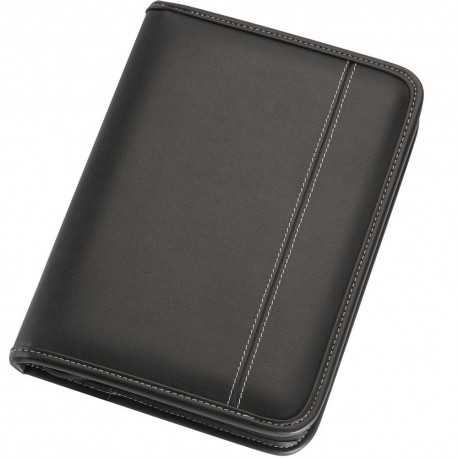
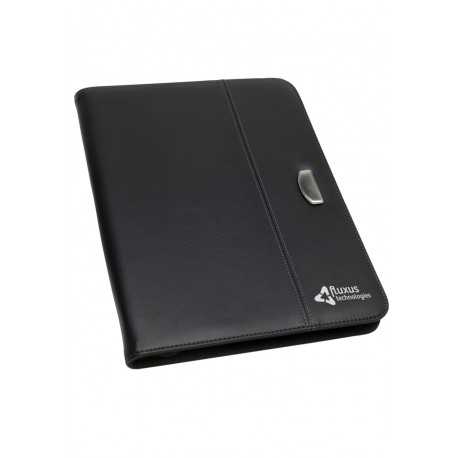
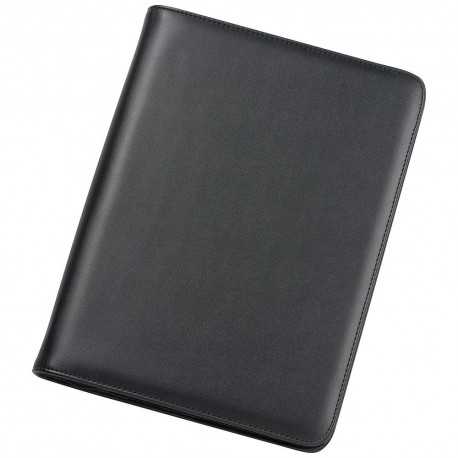
Koskin and PU are both synthetic leather-look materials used in imitation leather compendiums, but they have slightly different surface textures and finishing characteristics. PU tends to have a smoother, more uniform finish, which suits debossing and laser engraving cleanly. Koskin has a slightly more textured grain that closely mimics genuine leather. Styles like the Flare and Two Tone use koskin for a classic look, while the Manchester and Associate use PU. Both handle corporate branding well and are durable enough for everyday professional use.
What is the difference between a conference folio and an A4 zip compendium
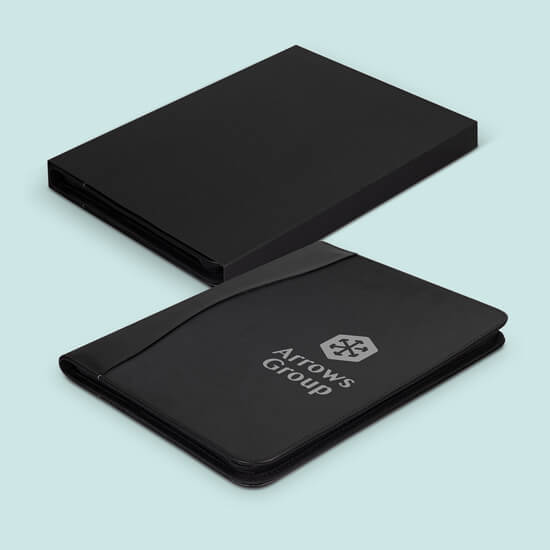
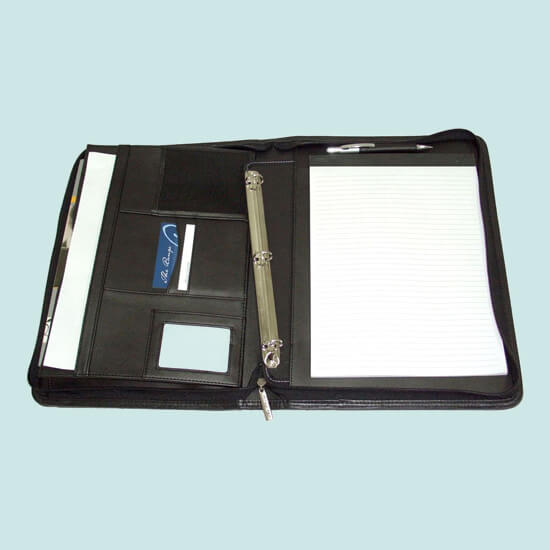
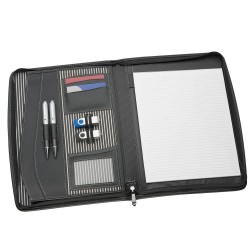
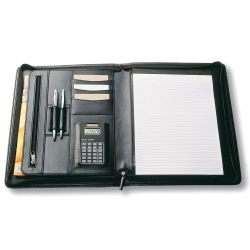
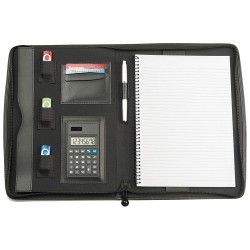
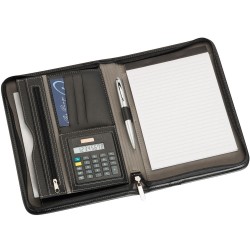
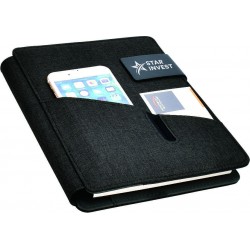
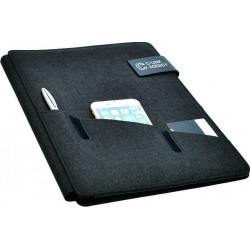
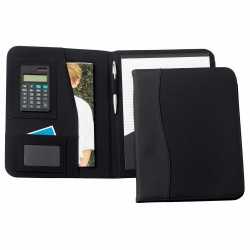
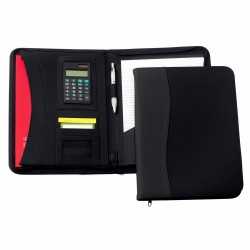
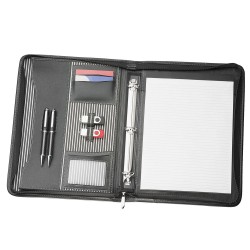
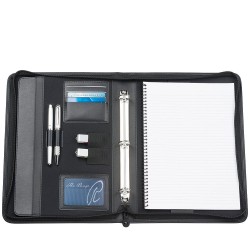
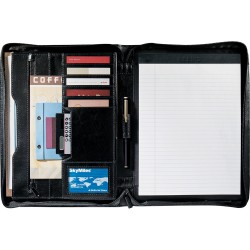
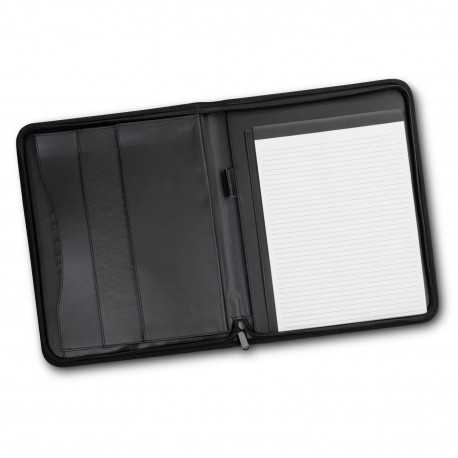
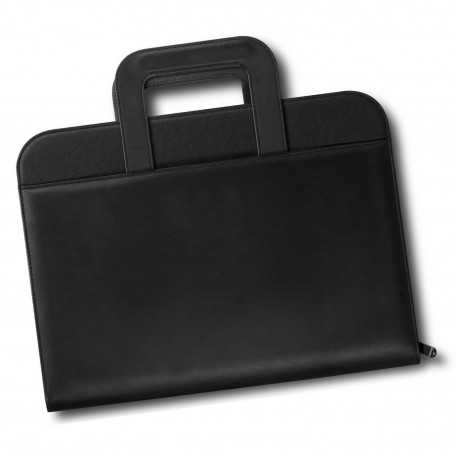
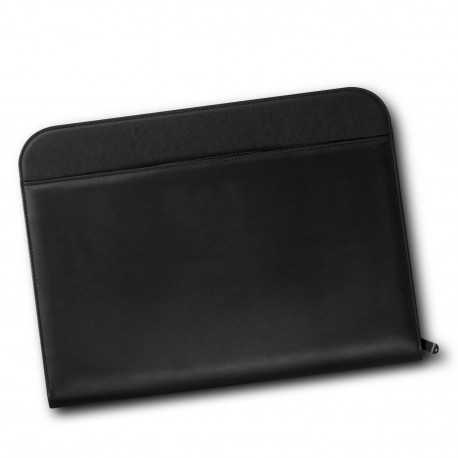
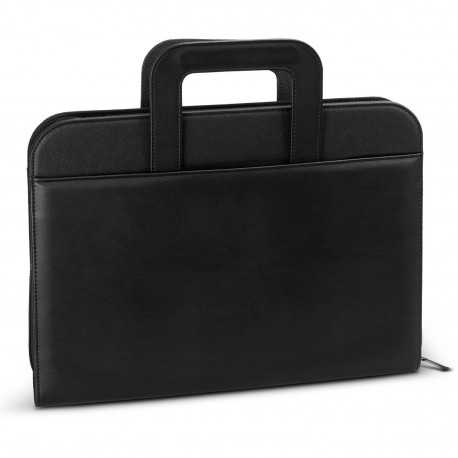
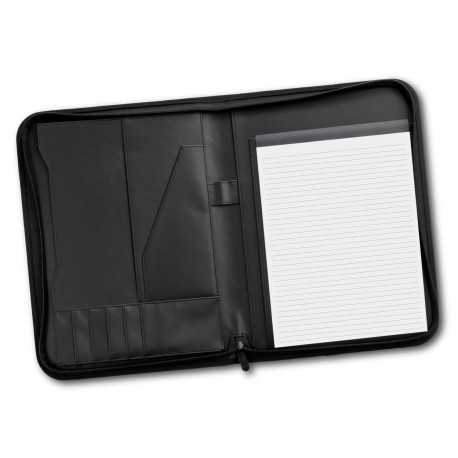
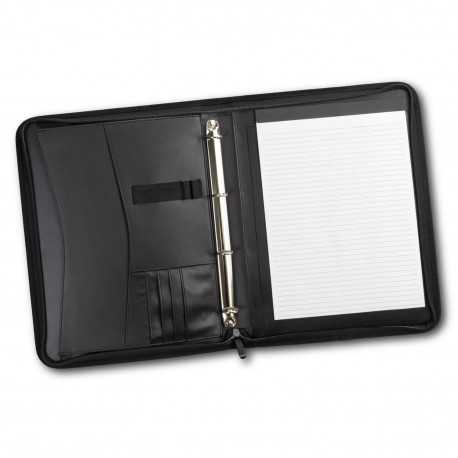
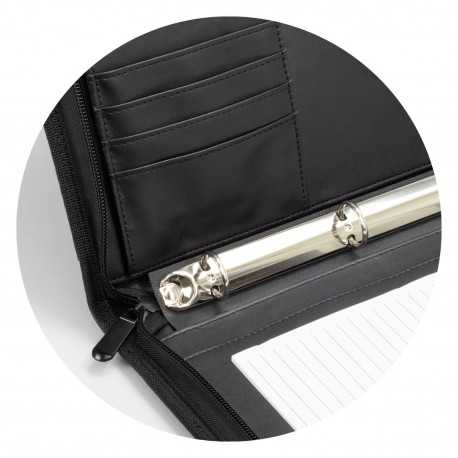
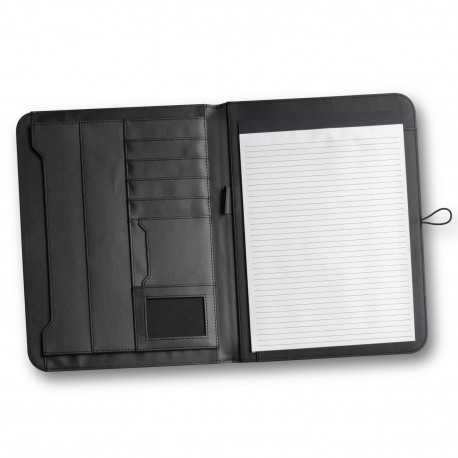
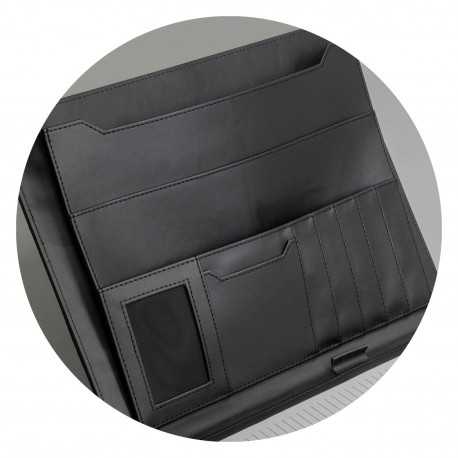
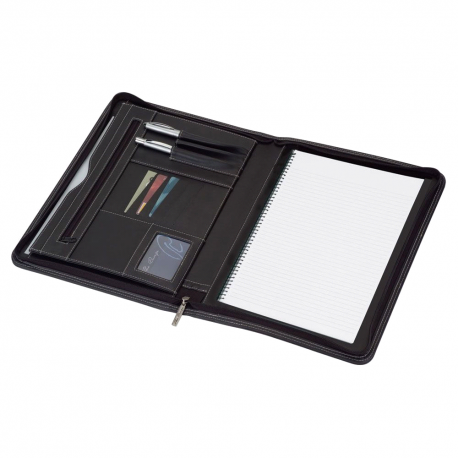
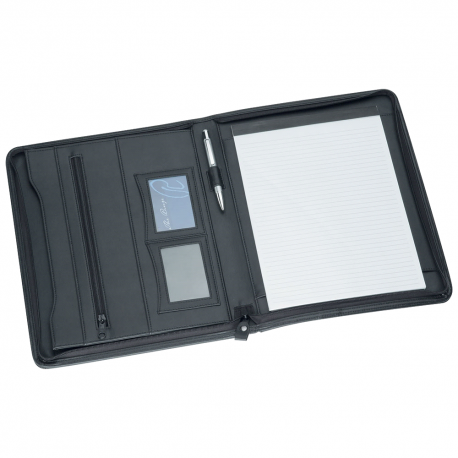
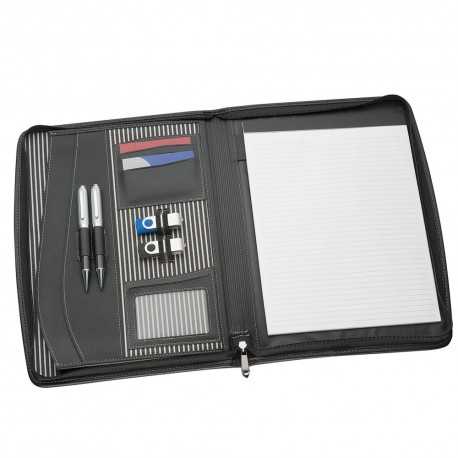
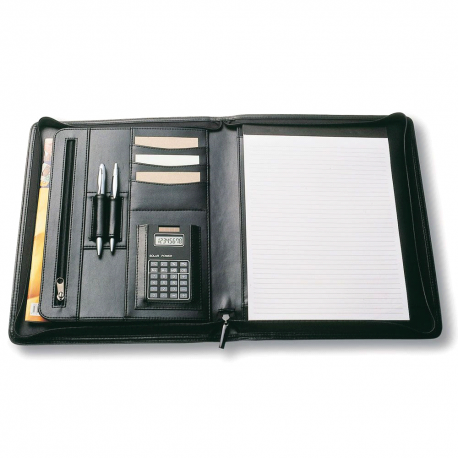
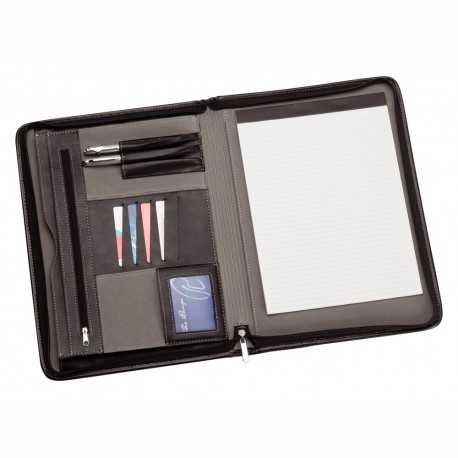
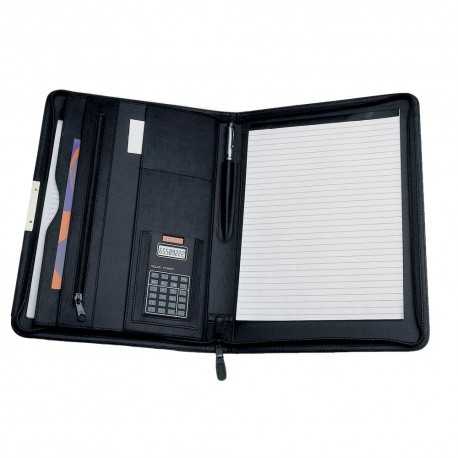
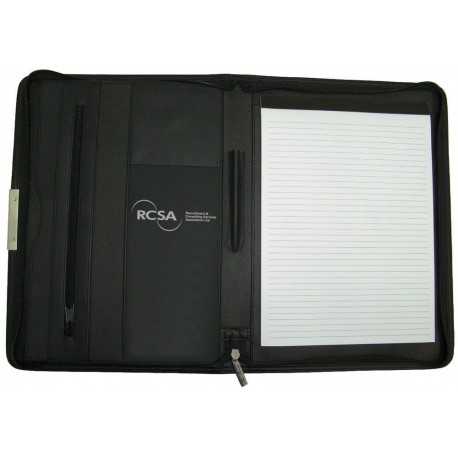
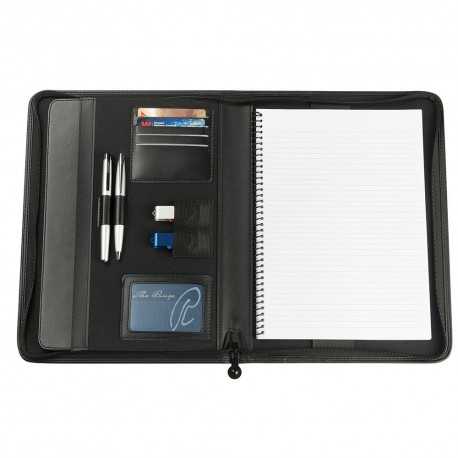
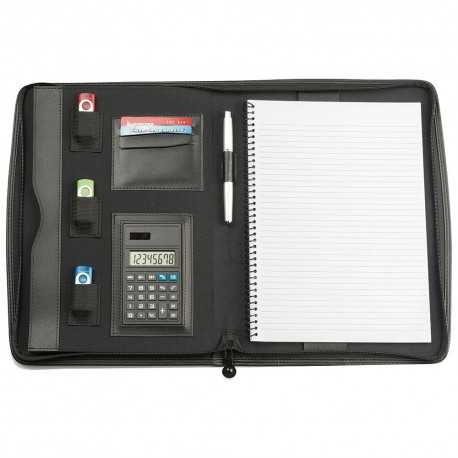
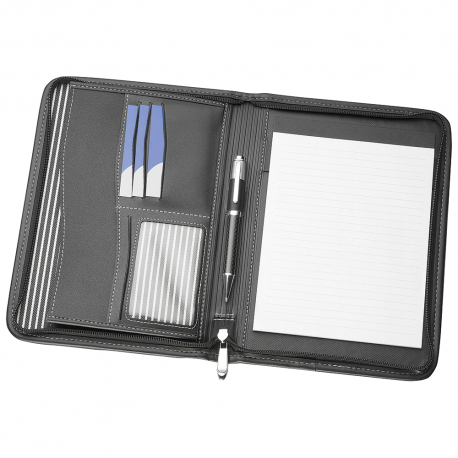
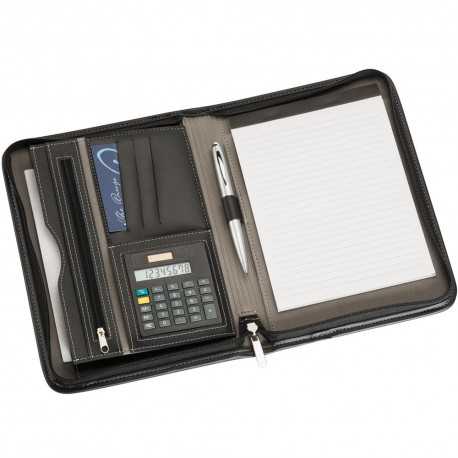
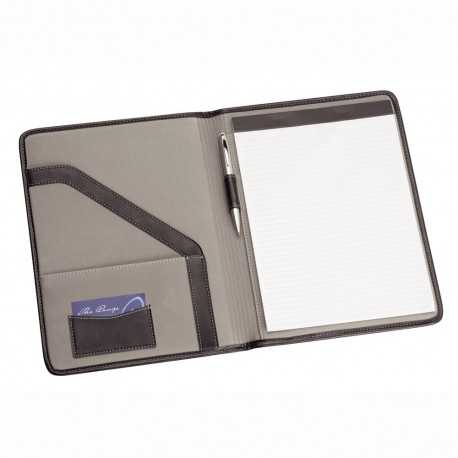
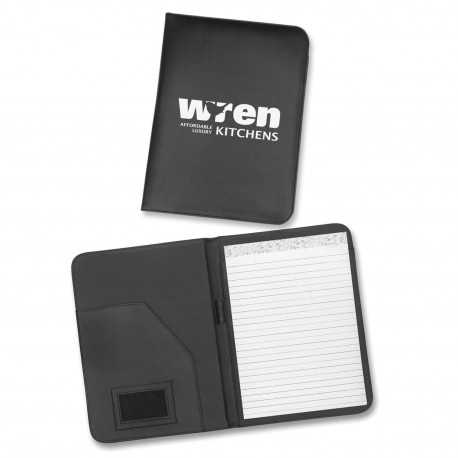
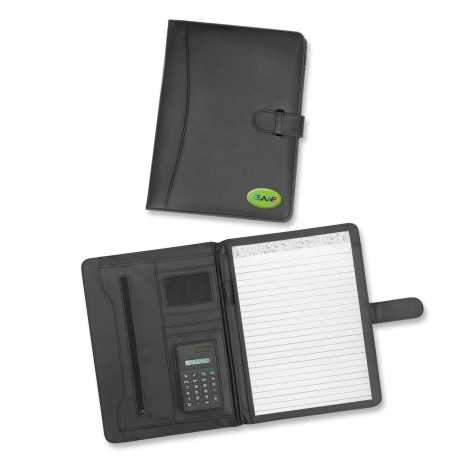
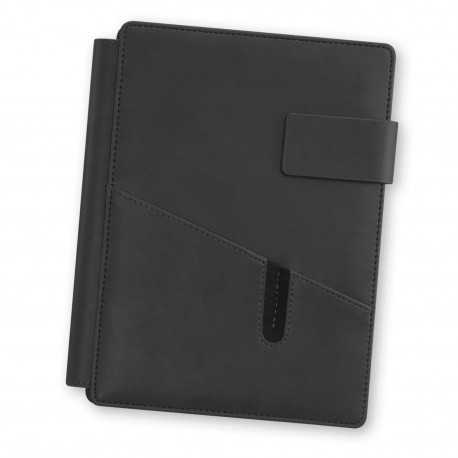
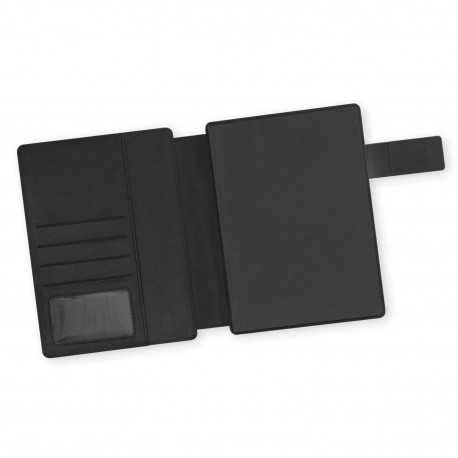
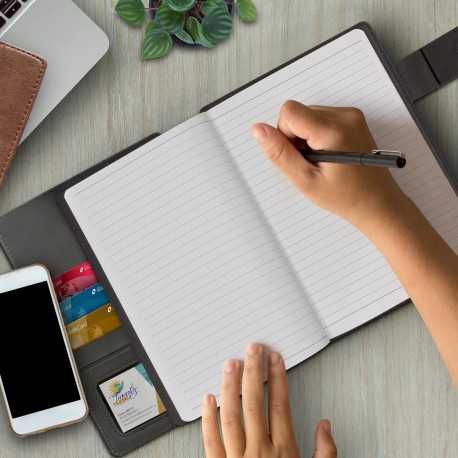
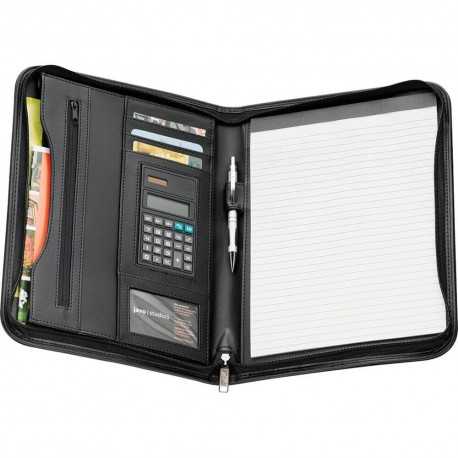
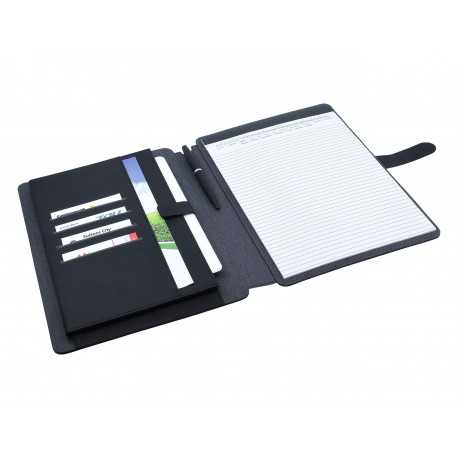
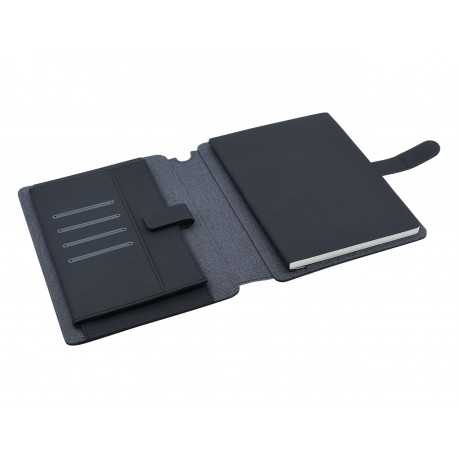
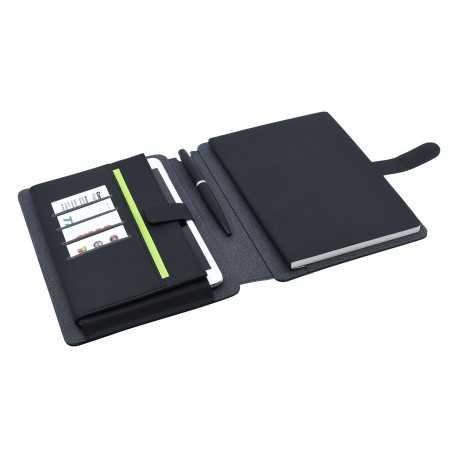
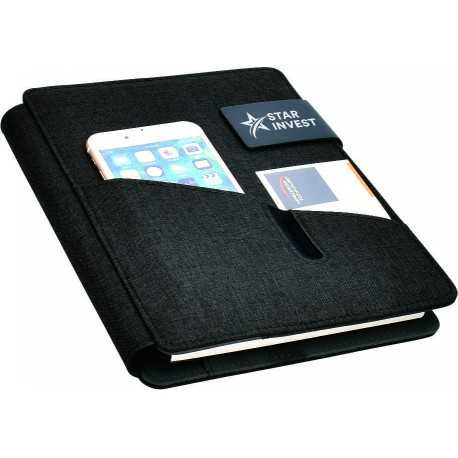
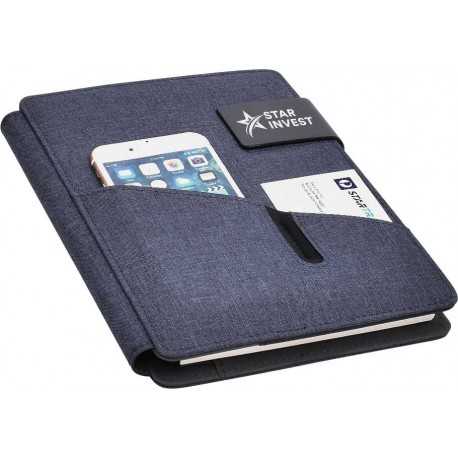
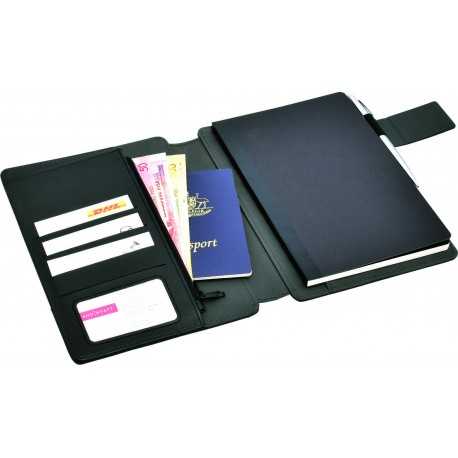
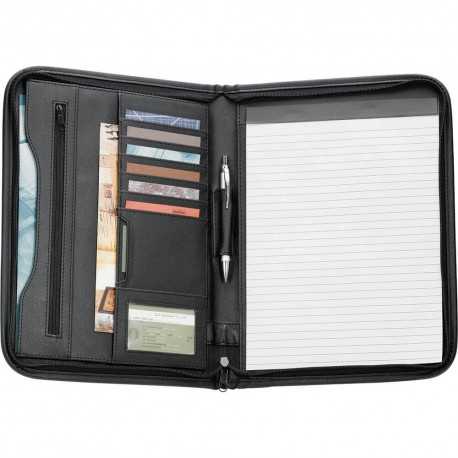
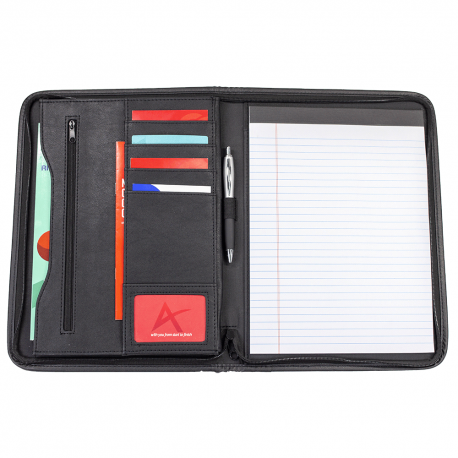
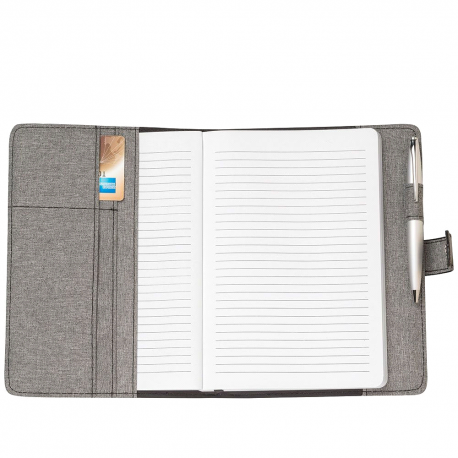
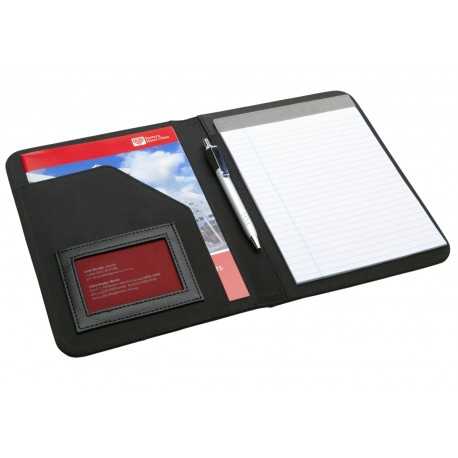
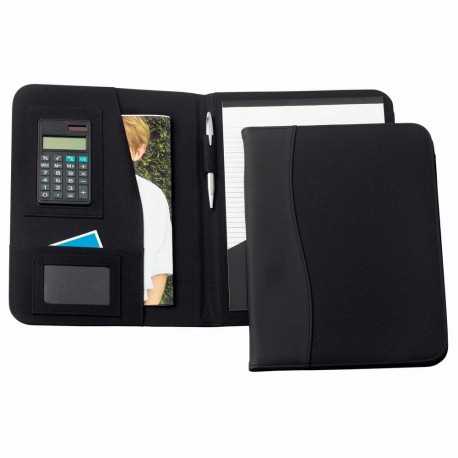
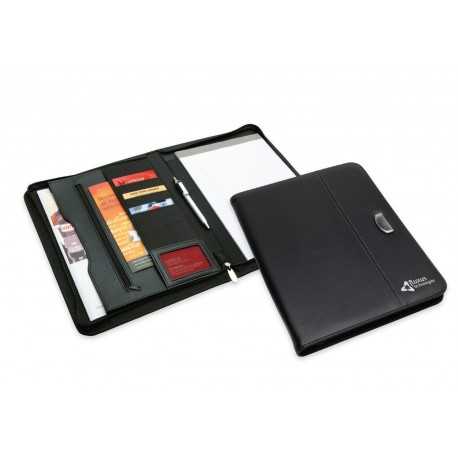
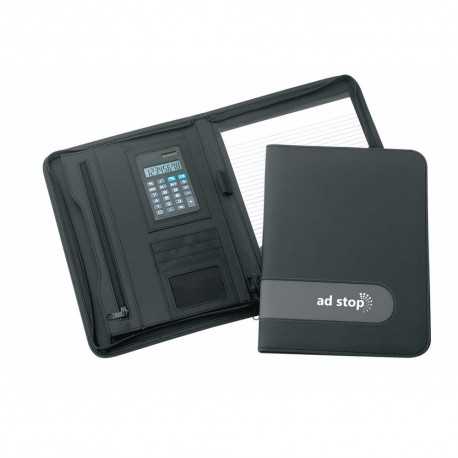
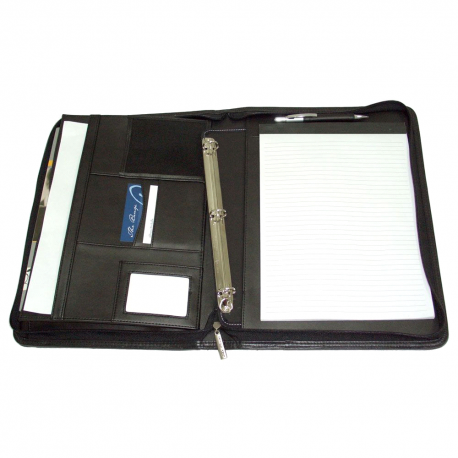
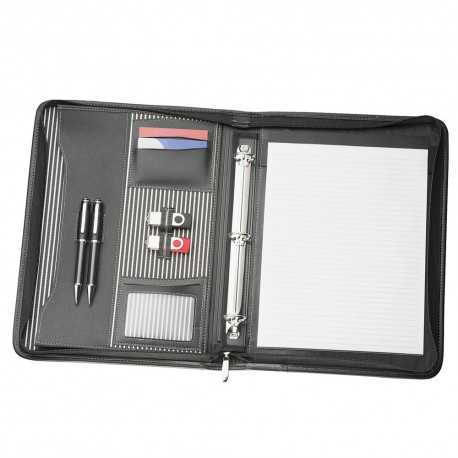
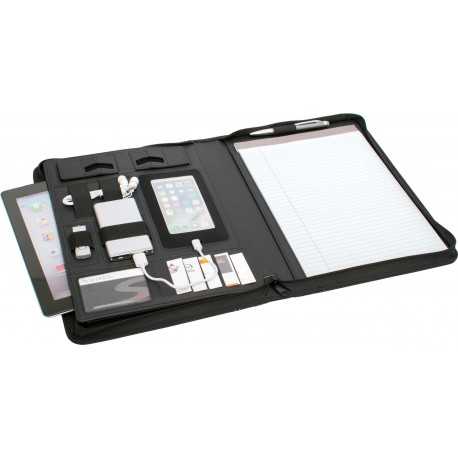
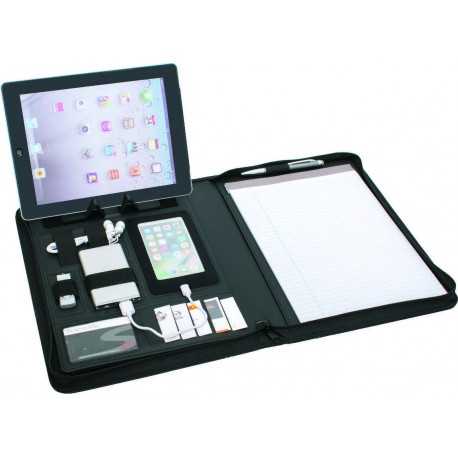
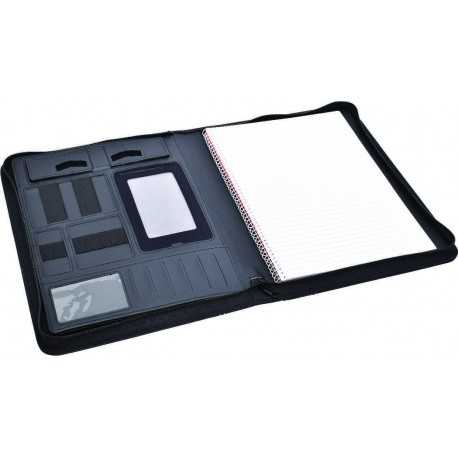
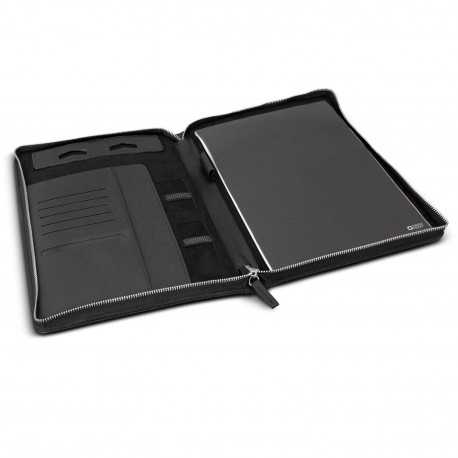
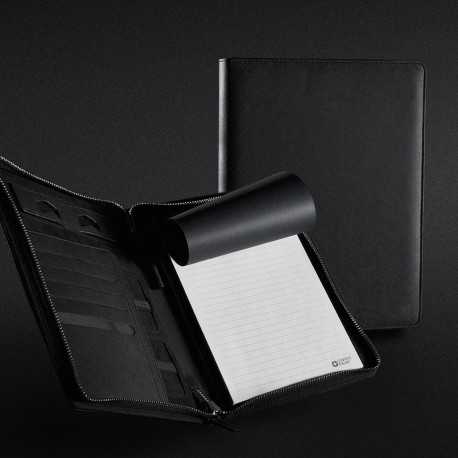
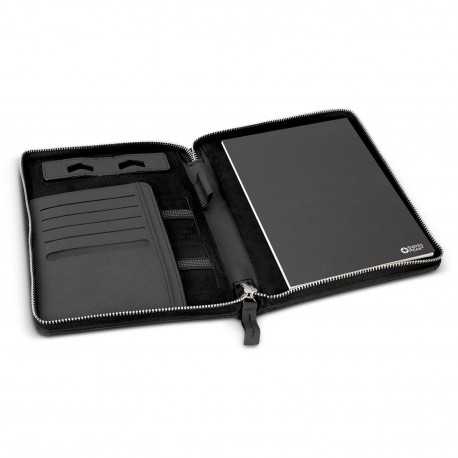
Conference folios tend to be slimmer and lighter than A4 zip compendiums, designed for carrying a notepad and a few documents into a meeting rather than holding a full working kit. The Collins Conference Zip Folio is a good example. It suits one-day conferences, training sessions, or board meetings where participants need something portable and neat. A4 zip compendiums like the Associate or Metropolitan carry more, including multiple internal pockets, business card slots, and pen loops, making them better for staff who use them daily as a desk-to-meeting carry item.
How are non-leather compendiums different from genuine leather compendiums
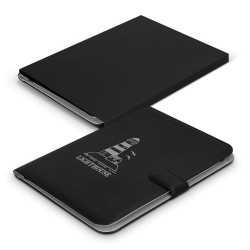
Non-leather compendiums use synthetic materials such as PU, koskin, or imitation leather in place of genuine animal hide, which makes them more accessible in price and more consistent in finish. They're available in a wider range of colours, are easier to produce in bulk, and suit standard decoration methods including debossing, laser engraving, and pad printing. Genuine leather develops a patina over time and carries a higher perceived value, but non-leather options are the practical choice for teams ordering compendiums as conference items, staff gifts, or branded giveaways at scale.
What branding methods are available for non-leather compendiums
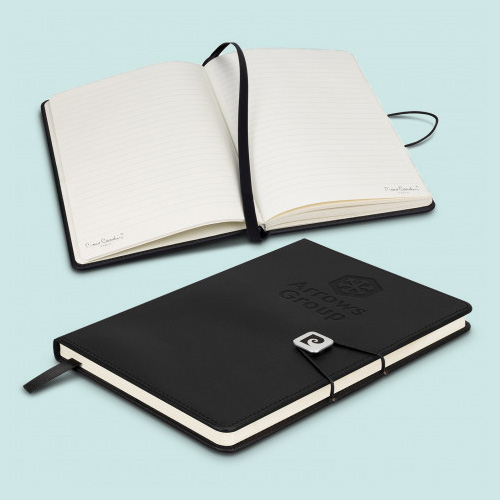
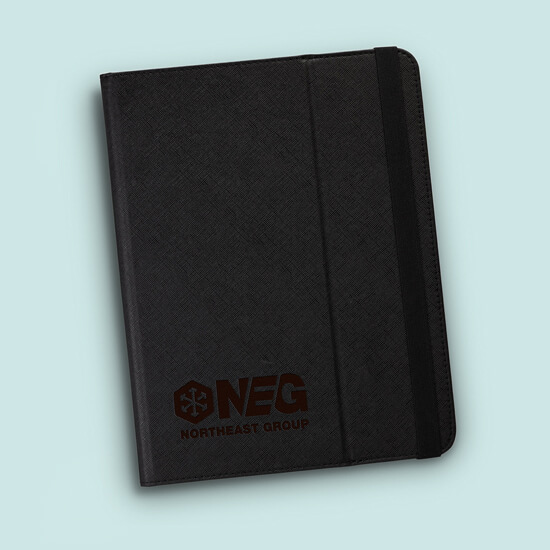
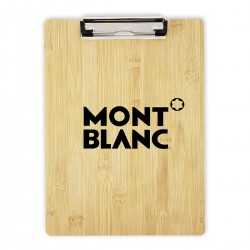
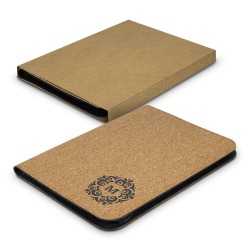
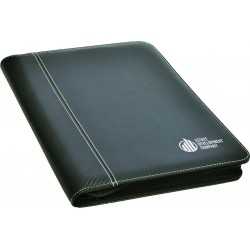
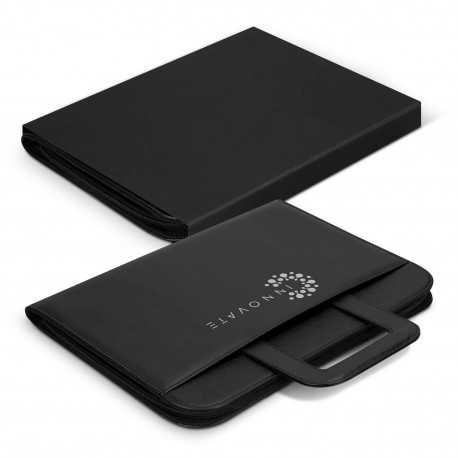
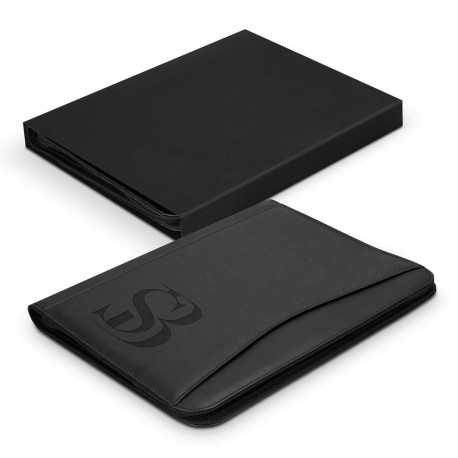
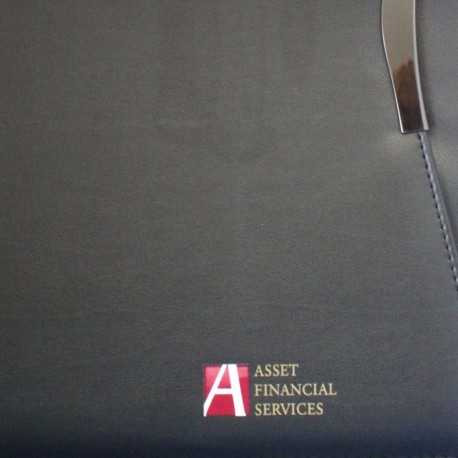
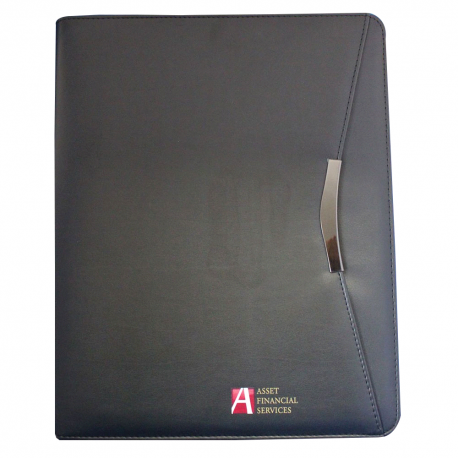
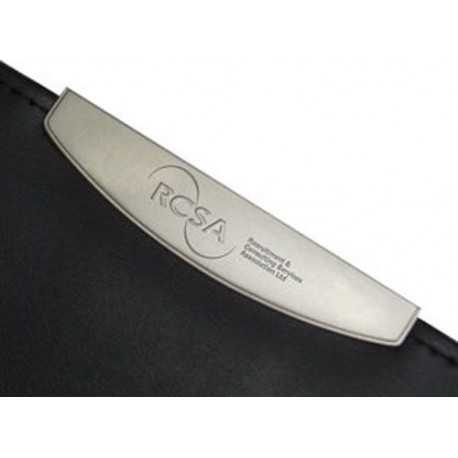
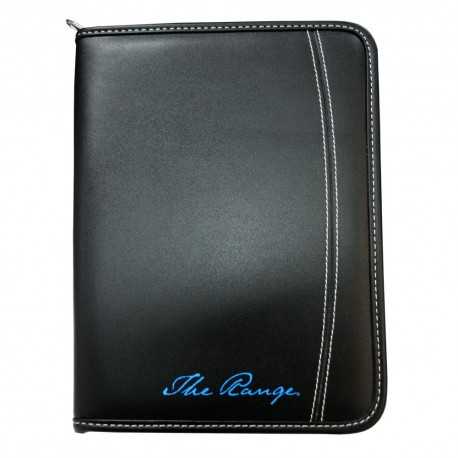
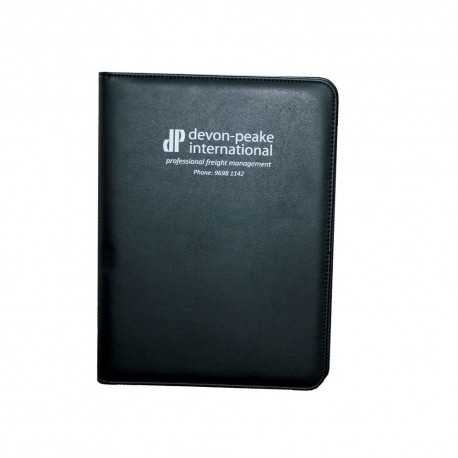
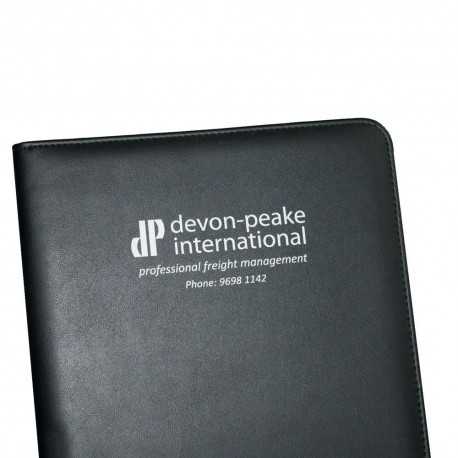
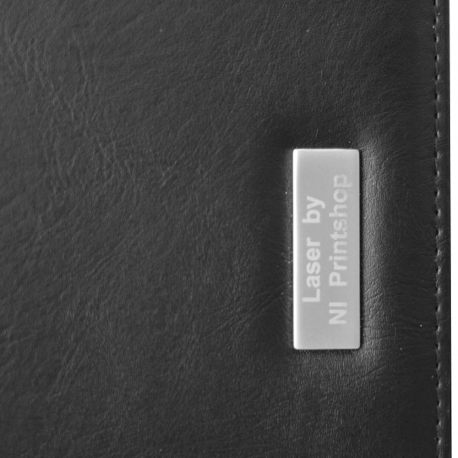
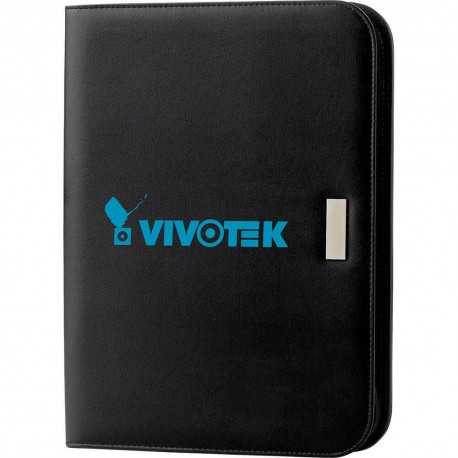
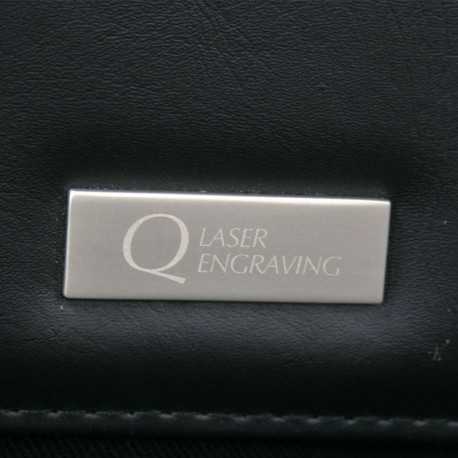
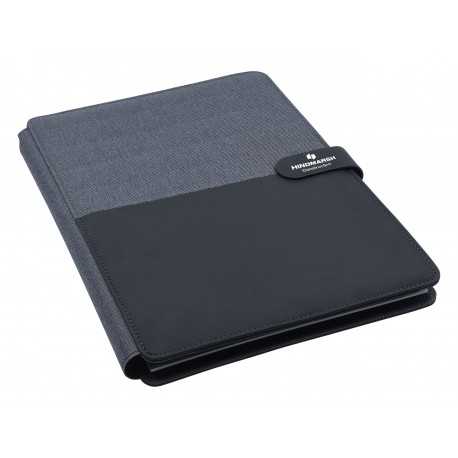
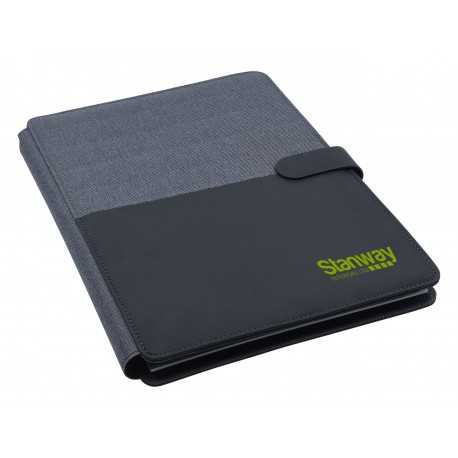
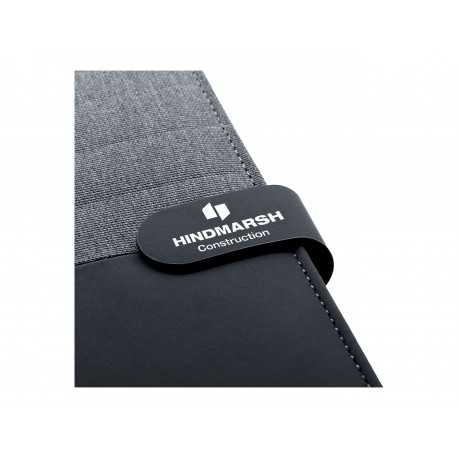
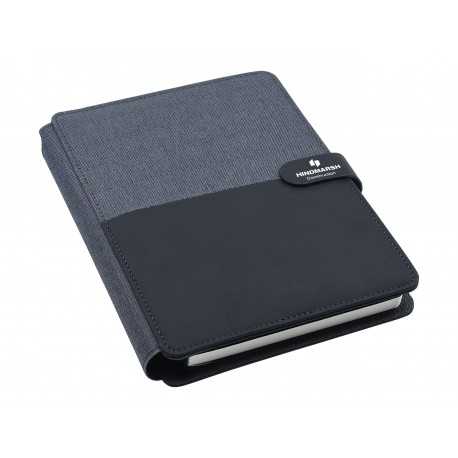
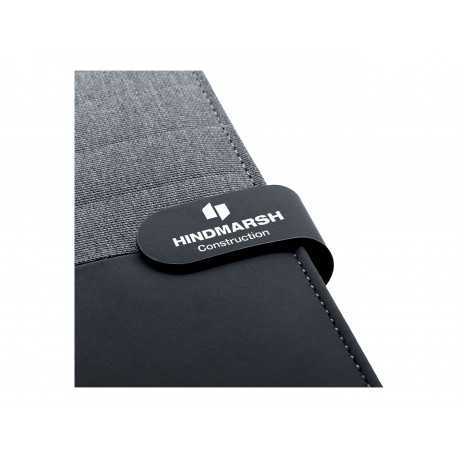
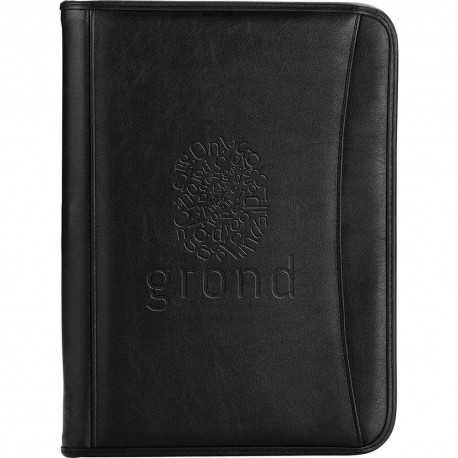
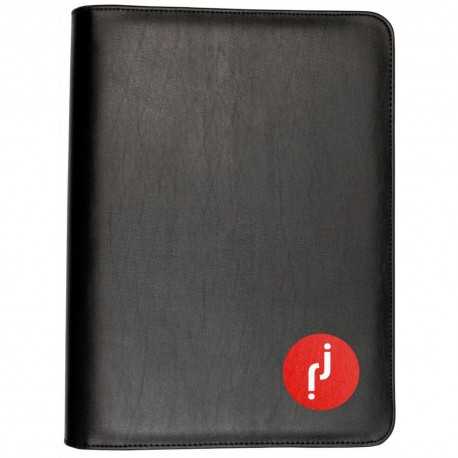
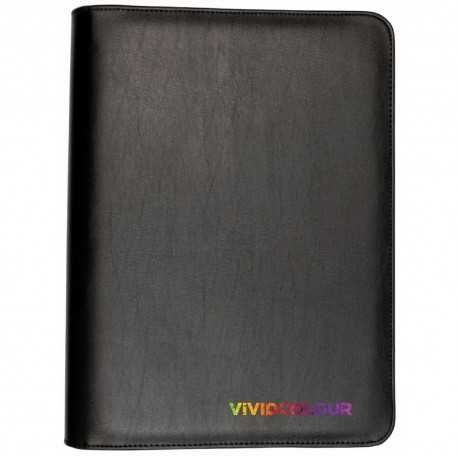
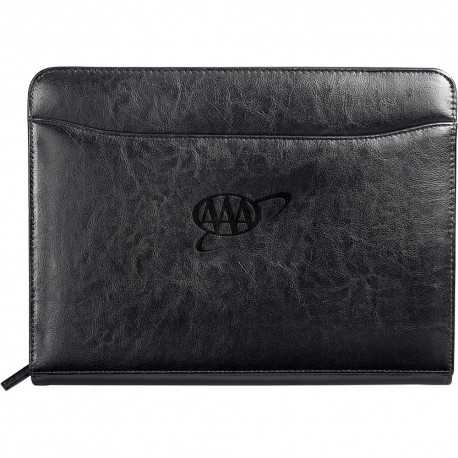
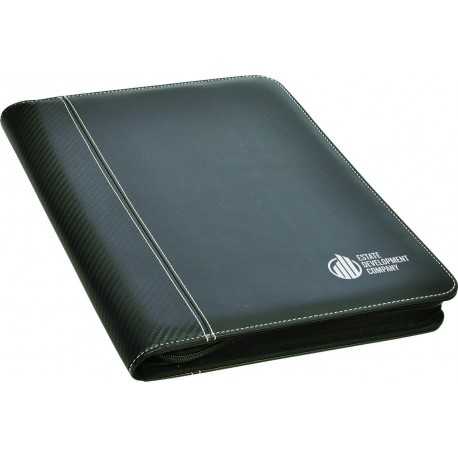
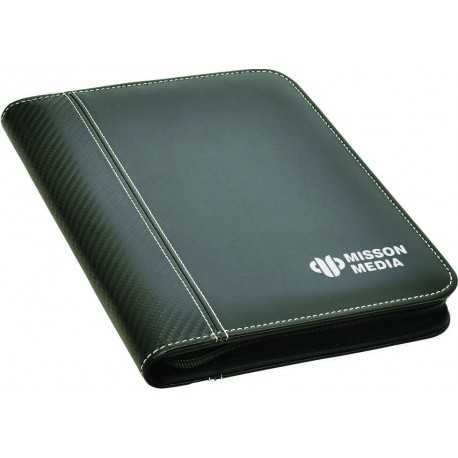
The most common decoration options for non-leather compendiums are debossing, laser engraving, and pad printing, each suited to different materials and design styles. Debossing presses your logo into the PU or koskin cover, creating a tactile, permanent impression that works well for clean one-colour marks. Laser engraving burns artwork into the surface without ink, which is ideal for bamboo styles like the Ecowriter and for compendiums with a textured finish. Pad printing transfers ink in one or more colours and suits covers with flatter surfaces. Our team will recommend the best method for your chosen style.
What is the minimum order quantity for branded non-leather compendiums
Minimum order quantities for branded non-leather compendiums vary depending on the style and decoration method chosen. Stock item compendiums typically have lower minimums than custom-made or factory-order styles. As a general guide, stock items often start from around 25 to 50 units, though this can vary. Custom colour or indent orders usually require higher volumes. We'll confirm the exact minimum for your preferred product when you request a quote. Call us on 1300 85 50 35 or submit a quote request online for a fast, accurate answer.
Can non-leather compendiums include variable data such as individual names
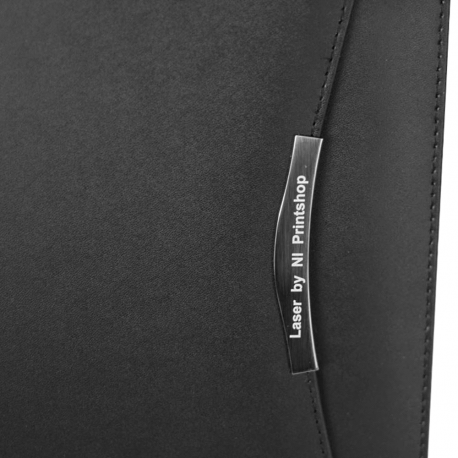
Variable data decoration, such as printing a different name on each compendium, is supported by some methods but not all. Laser engraving can handle variable data and is well suited to personalising individual compendiums for executive gifts or VIP conference delegates. Debossing and pad printing use fixed tooling or screens, so they can't accommodate item-by-item variation economically. If you need individually named compendiums for an awards programme or premium gifting order, let our team know early in the process so we can recommend a compatible style and method.
How long does it take to receive branded non-leather compendiums after ordering
Branded non-leather compendiums from stock typically take two to three weeks from artwork approval to delivery, subject to stock availability and decoration method. Debossing and laser engraving run on similar timelines. Pad printing can sometimes be faster for simpler artwork. If you have a fixed event date, share it with our team when you enquire. We'll work backwards from your deadline to advise on realistic lead times and flag any stock considerations early. Rush options may be available depending on the style. Call 1300 85 50 35 to discuss your timeline.